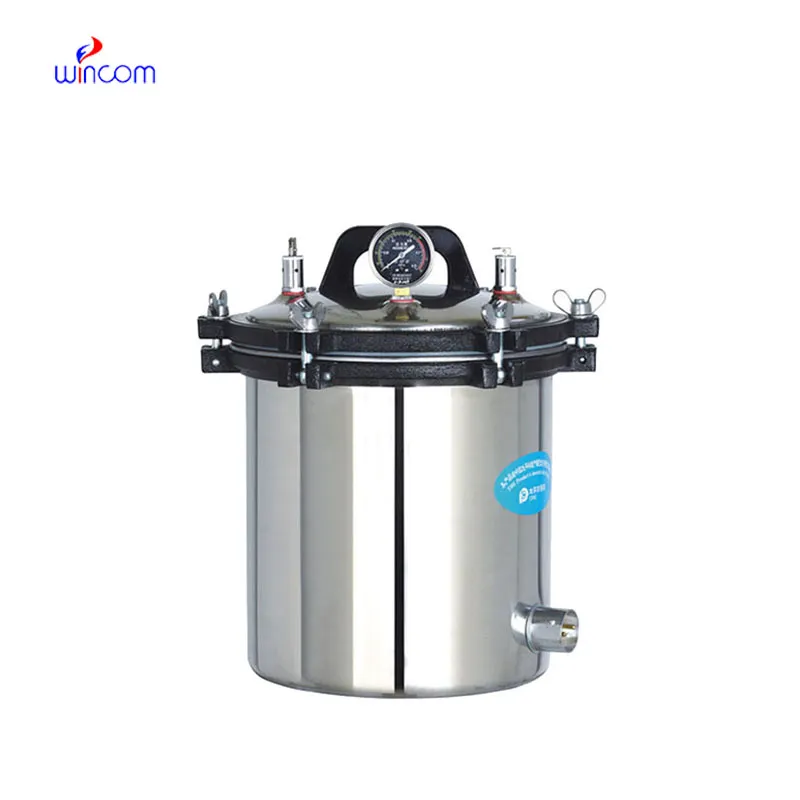
The function of a mini centrifuges structure depends entirely on its integrity. Manufacturers now use advanced dynamic balancing techniques to minimize vibration and increase lifespan. High-torque motors give smooth rotational power, and safeguards such as locking lids and imbalance sensors protect the user and sample from injury. In specialized lab arrangements, refrigerated mini centrifuges maintain constant temperatures for biological samples. Miniaturized forms are also gaining ground, sacrificing space savings for speed and accuracy. These trends show the ongoing coming of age of mini centrifuges engineering into versatility and reliability.
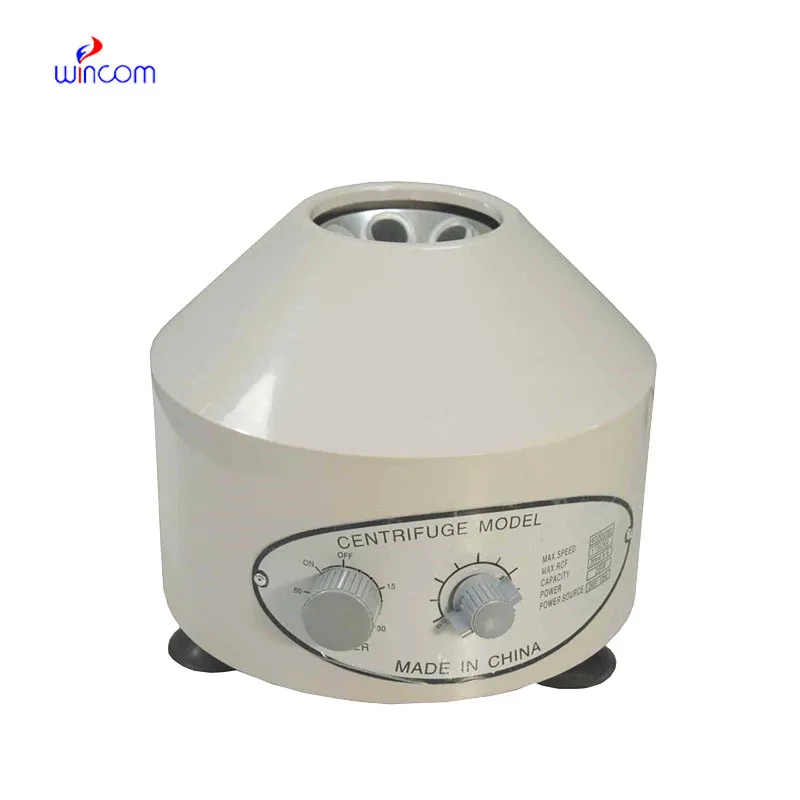
The applications of mini centrifuges span numerous scientific and industrial uses. In medicine, it is used to isolate blood components for transfusion and diagnostic purposes. In molecular biology, researchers use mini centrifuges to isolate DNA, RNA, and proteins for genetic studies. The pharmaceutical industry uses it to purify chemicals and enhance the quality of products. Environmental laboratories use mini centrifuges to test water and soil samples for contamination. Even in food processing, it aids in the cleansing of juices and the removal of oils. Its applicability ensures consistent outcomes in fields that require careful separation of substances.

In the coming years, mini centrifuges development will move towards intelligent and autonomous operation. Artificial intelligence will predict sample behavior, with speed and duration controlled in real time. Quieter, more compact designs will be the priority for manufacturers to conserve space. Future cooling systems will benefit temperature-sensitive applications, with more widespread use in genomics and proteomics. Wireless connectivity and autocalibration will make it easier to manage mini centrifuges in busy laboratories. With the environment leading the way in manufacturing, recyclable materials and energy efficiency will also define mini centrifuges development in science and industry.

Proper maintenance and care of mini centrifuges are essential for ensuring accuracy, safety, and long life. Regular checking of rotors for cracks and corrosion eliminates mechanical failure and imbalance. Users must clean the chamber with mild detergent and must not use abrasive chemicals that will damage surfaces. Regular calibration checks must be conducted to ensure speed accuracy. Greasing moving parts according to the manufacturer's recommendation increases motor life. Upon each use, samples need to be withdrawn at once, and open lids to prevent condensation. Periodic maintenance and records provide consistent operation.
The mini centrifuges is a staple equipment in laboratories, industries, and research facilities. Its operation is to isolate particles away from one another based on density and weight by utilizing centrifugal force. Whether examining biological fluids, purifying chemicals, or testing materials, the mini centrifuges provides effective separation and purification. Advances in technology have made it faster accurate and automatic, enabling processes to be more repeatable and consistent. From clinical diagnostics to environmental analysis, mini centrifuges are essential in furthering precision, productivity, and scientific innovation globally.
Q: How is a centrifuge different from a mixer or shaker? A: Unlike mixers or shakers that blend materials, a centrifuge separates components based on density through high-speed rotation. Q: What power requirements does a centrifuge need? A: Most benchtop centrifuges use standard AC power, while industrial units may require higher voltage for greater speed and capacity. Q: Can a centrifuge be used in pharmaceutical production? A: Yes, centrifuge equipment is widely used to purify chemical compounds and biological materials during drug manufacturing processes. Q: How do I prevent vibration during operation? A: Ensure all tubes are evenly loaded, rotors are clean, and the machine is placed on a stable, level surface. Q: What is the lifespan of a centrifuge? A: With regular maintenance and proper usage, a centrifuge can last for many years while maintaining consistent performance.
This ultrasound scanner has truly improved our workflow. The image resolution and portability make it a great addition to our clinic.
We’ve been using this mri machine for several months, and the image clarity is excellent. It’s reliable and easy for our team to operate.
To protect the privacy of our buyers, only public service email domains like Gmail, Yahoo, and MSN will be displayed. Additionally, only a limited portion of the inquiry content will be shown.
We’re interested in your delivery bed for our maternity department. Please send detailed specifica...
I’m looking to purchase several microscopes for a research lab. Please let me know the price list ...
E-mail: [email protected]
Tel: +86-731-84176622
+86-731-84136655
Address: Rm.1507,Xinsancheng Plaza. No.58, Renmin Road(E),Changsha,Hunan,China


 EN
EN
 af
af
 es
es
 ar
ar
 tr
tr
 sw
sw
 pt
pt
 th
th
 ur
ur
 bn
bn
 ne
ne
 vi
vi
 km
km
 lo
lo
 de
de
 ru
ru
 fi
fi
 nl
nl
 fa
fa
 fr
fr
 ko
ko