In hospitals and medical research facilities, sst tubes for blood collection price have become a global standard for blood sampling and transport. The production of the tubes takes place under very stringent quality controls which guarantee sterility and chemical uniformity. They are employed by hospitals for a variety of diagnostic tests, such as screening for infectious diseases, performing hormone panels and routine blood counts. Their pre-filled additives allow for the prevention of clotting or degradation of components, thus maintaining the integrity of each sample. The communication with laboratory machines like centrifuges and analyzers makes the workflow smoother. The use of sst tubes for blood collection price in different medical areas not only minimizes the chances of mistakes but also improves the safety of patients and ultimately leads to the provision of accurate test results in both hospital and research environments.

Blood donation and transfusion units employ sst tubes for blood collection price to gather donor samples for carrying out compatibility testing and infectious disease screening. Anticoagulant-containing tubes help keep the cells viable and avoid clotting while the samples are being kept. Laboratory workers need them for secure handling, accurate labeling, and the entire donor process being traceable. The connection of sst tubes for blood collection price with automatic analyzers permits quick testing of donor blood, therefore, patient transfusion products in the hospital are safe. Their uniform design makes the process easier, increases the quality of the samples, and decreases the number of mistakes in blood bank and transfusion operations.
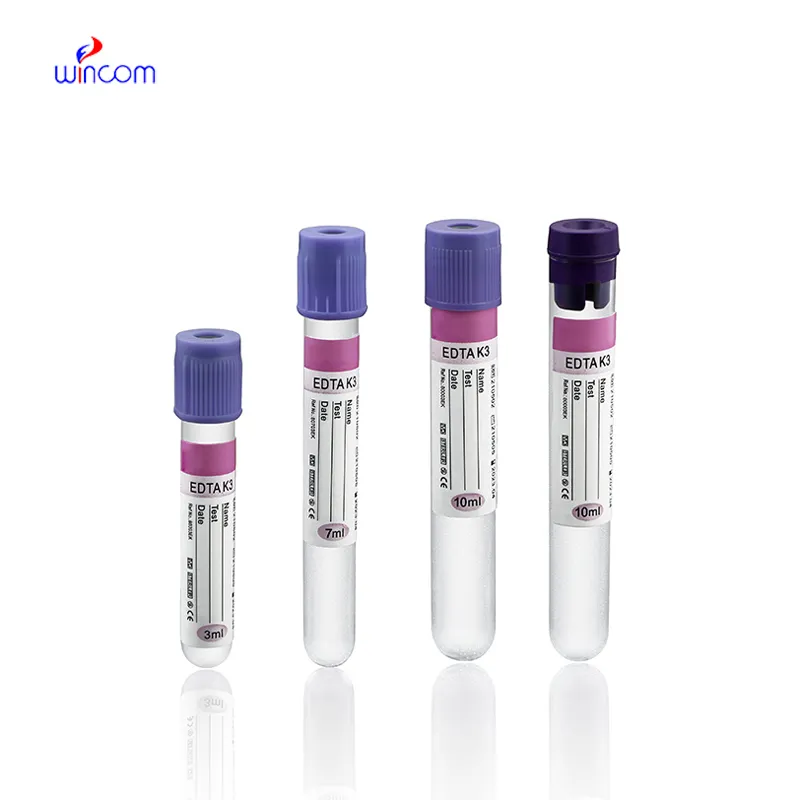
The future of sst tubes for blood collection price will probably be characterized by the use of high-tech materials that not only improve sample preservation but also have less negative effect on the environment. It is possible that hospitals will switch to using tubes that can be broken down naturally or recycled but still have all the attributes of being sterile and chemically stable. The combination with digital tracking systems might make it possible to monitor the sample's collection, transport, and processing in real-time. These new technologies will support laboratories in their efforts to keep high throughput, provide traceability, and lower pre-analytical errors. Clinical testing requirements are getting more complicated, thus, sst tubes for blood collection price will change in such a way as to satisfy the dual purpose of sustainability and having the precision, non-variability, and reproducibility of results in both hospital and research settings.
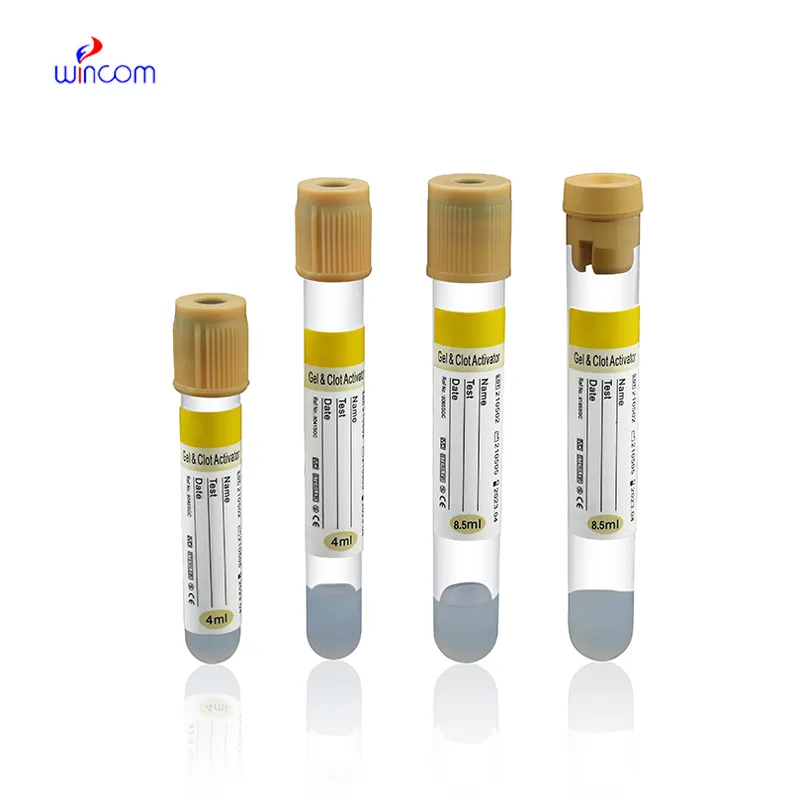
sst tubes for blood collection price continue to pose a challenge, but the risks associated with them can be effectively managed through proper inventory control and storage practices. The degradation of additives can be prevented by storing the tubes within the recommended temperature ranges. To limit the exposure to contaminants, hospitals usually provide certain storage cabinets. Conducting periodic audits helps to discover tubes that have expired or become damaged before clinical use. During storage, laboratory staff should also check the accuracy of the color coding and labeling. These practices not only minimize pre-analytical risks but also keep diagnostic results consistent, therefore, sst tubes for blood collection price are always ready to be used in daily laboratory and hospital operations as they are expected to perform.
Infectious disease units rely on sst tubes for blood collection price for the safe collection of blood samples for serological and molecular testing. Tubes that are sealed and sterile will ensure that both the patient and the laboratory staff do not come into contact with any danger. Among the advantages of having additives inside the tubes, is that the pathogens are detected accurately because the blood components are stabilized. Properly labeled and handled sst tubes for blood collection price provide compliance with hospital safety protocols and allow for the traceability of the samples. Their use makes rapid diagnostic workflows possible, thus giving doctors the opportunity to quickly detect infections and to apply interventions that are timely. Tubes like these are crucial in hospitals where blood collection is required to be accurate, safe, and efficient at the same time.
Q: What additives are found in Blood Collection Tubes? A: Additives may include anticoagulants, clot activators, or gel separators depending on test requirements. Q: How do Blood Collection Tubes support accurate testing? A: They preserve blood components and prevent degradation during transport and processing. Q: Are Blood Collection Tubes compatible with automated analyzers? A: Yes, most tubes are designed to work with modern laboratory automation systems. Q: Why is proper tube selection important in hospitals? A: Using the correct tube ensures reliable test results and reduces pre-analytical errors. Q: Do Blood Collection Tubes have expiration dates? A: Yes, expiration dates ensure additives remain effective and safe for use.
I’ve used several microscopes before, but this one stands out for its sturdy design and smooth magnification control.
We’ve been using this mri machine for several months, and the image clarity is excellent. It’s reliable and easy for our team to operate.
To protect the privacy of our buyers, only public service email domains like Gmail, Yahoo, and MSN will be displayed. Additionally, only a limited portion of the inquiry content will be shown.
Could you share the specifications and price for your hospital bed models? We’re looking for adjus...
Hello, I’m interested in your water bath for laboratory applications. Can you confirm the temperat...
E-mail: [email protected]
Tel: +86-731-84176622
+86-731-84136655
Address: Rm.1507,Xinsancheng Plaza. No.58, Renmin Road(E),Changsha,Hunan,China


 EN
 af
 es
 ar
 tr
 sw
 pt
 th
 ur
 bn
 ne
 vi
 km
 lo
 de
 ru
 fi
 nl
 fa
 fr
 ko