pressure manometer anesthesia machine assists hospitals in providing exact anesthesia by constantly observing patient respiration and oxygenation. The integrated system of pressure manometer anesthesia machine is made up of vaporizers, flow meters, and alarms that work together to control the level of anesthetic and ensure safety for the patient. Anesthesiologists in operating rooms and intensive care units rely on this device to perform real-time monitoring of airway pressures and ventilation parameters. Manifold and very precise gas delivery and respiratory monitoring are the requirements for laboratory-based research studies, where pressure manometer anesthesia machine already has its application. The combination of safety features and continuous physiological feedback provides consistent and reliable anesthesia management in both clinical and experimental settings.
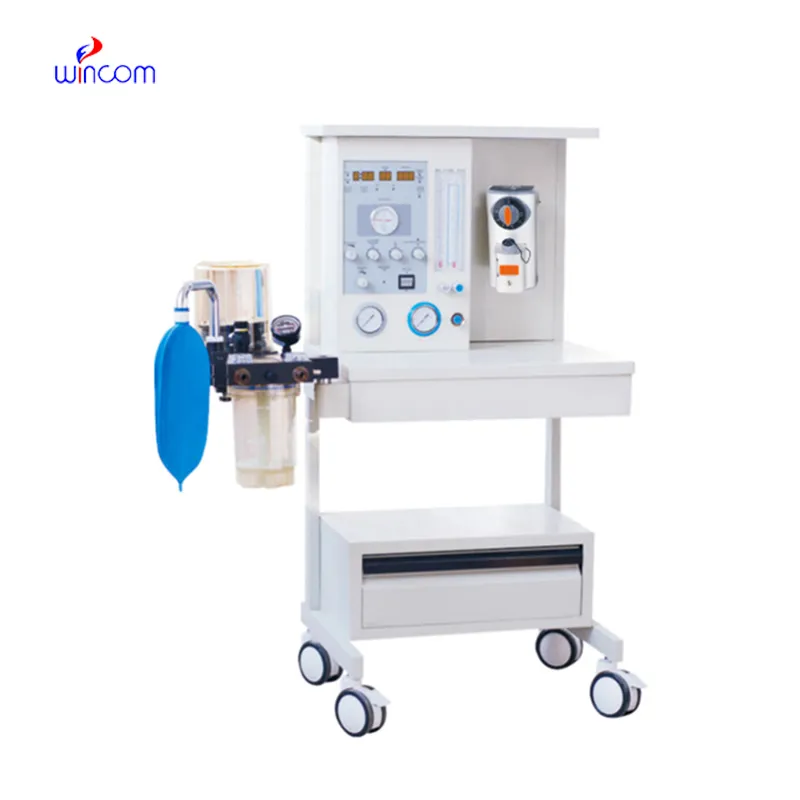
In medical research done in the laboratory, pressure manometer anesthesia machine is utilized for keeping anesthesia under control during experimental procedures. The researchers apply the instrument for the purpose of keeping steady respiratory conditions and thereby studying physiological reactions. The anesthetic's delivery exactness is determined to be the basis for the experiments' reproducibility and safety. The capability of the device to monitor helps to observe the respiratory and oxygen variables during the entire course of the experiment. This specific use exemplifies the importance of pressure manometer anesthesia machine in assisting clinical trials and laboratory studies in the realm of medicine.
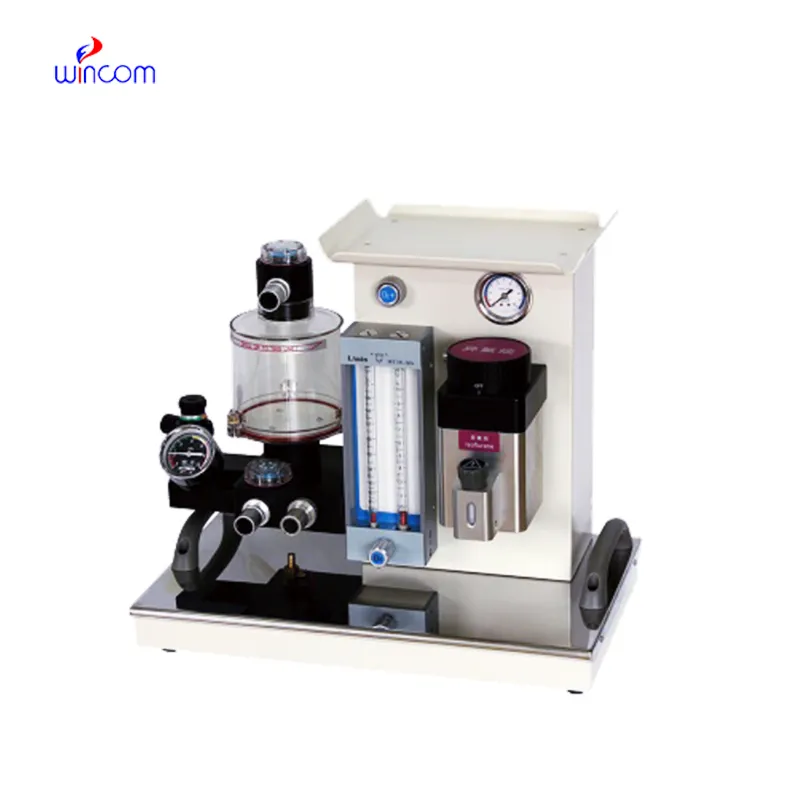
The pressure manometer anesthesia machine future is projected to concentrate on a better digital integration in hospital systems. The advanced connectivity will let anesthesia data to be automatically merged with electronic medical records and centralized monitoring systems. This will encourage sharing of data in real-time across operating rooms, ICUs, and laboratories. Better software interfaces might enable anesthesiologists to interpret respiration trends in a more effective manner. The smarter hospitals will lead to the pressure manometer anesthesia machine being a more connected device, thus enabling better patient care and the shared clinical decisions among departments.
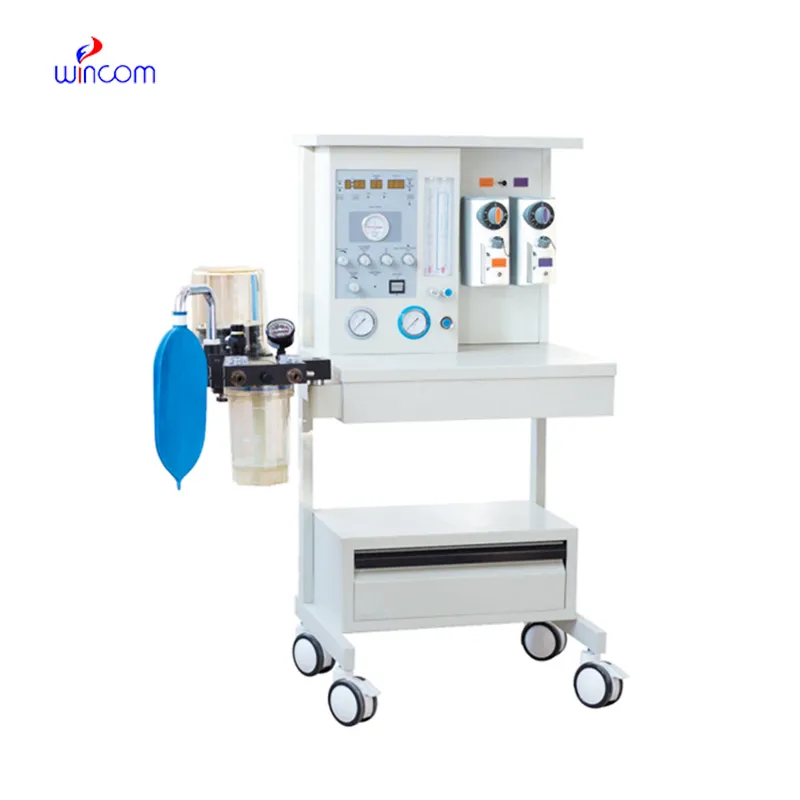
Scheduled technical maintenance is very important for the pressure manometer anesthesia machine functionality. Biomedical engineers often check pressure systems, valves, and air conditioning units as part of their routine work. It may also be necessary to carry out software updates to ensure that hospital monitoring networks can still work with the new software. Daily maintenance activities are documented to provide information about the condition of the equipment over time. By keeping precise service records, hospitals not only guarantee the adherence to regulations but also the reliable performance of anesthesia machines.
Hospital intensive care units make use of pressure manometer anesthesia machine for sedation and ventilation support in critically ill patients. The instrument guarantees the patient's safety during the surgical interventions because it is capable of delivering precise anesthetics and monitoring the patient's respiration at the same time. It has alarm systems and customizable settings that enable quick reaction to changes in the body's functions. By ensuring dependable anesthesia and ventilation support, pressure manometer anesthesia machine becomes a crucial factor in the provision of safe and high-quality patient care in the areas of surgery and critical care labs.
Q: What is the main function of an anesthesia machine? A: Controlled anesthetic gases are delivered and the patient is ventilated during medical procedures. Q: Where is the anesthesia machine frequently used? A: Hospitals mainly use it in their operating rooms, emergency units, and intensive care departments. Q: Who operates the anesthesia machine during surgery? A: Trained anesthesiologists or anesthesia technicians are responsible for operating the device. Q: Can the anesthesia machine assist the breathing of a patient? A: Yes, by providing mechanical ventilation support when spontaneous breathing is insufficient. Q: Does the device monitor respiratory parameters? A: It monitors airflow, pressure and oxygen concentration all through the delivery.
This ultrasound scanner has truly improved our workflow. The image resolution and portability make it a great addition to our clinic.
The delivery bed is well-designed and reliable. Our staff finds it simple to operate, and patients feel comfortable using it.
To protect the privacy of our buyers, only public service email domains like Gmail, Yahoo, and MSN will be displayed. Additionally, only a limited portion of the inquiry content will be shown.
Hello, I’m interested in your water bath for laboratory applications. Can you confirm the temperat...
Could you please provide more information about your microscope range? I’d like to know the magnif...
E-mail: [email protected]
Tel: +86-731-84176622
+86-731-84136655
Address: Rm.1507,Xinsancheng Plaza. No.58, Renmin Road(E),Changsha,Hunan,China


 EN
 af
 es
 ar
 tr
 sw
 pt
 th
 ur
 bn
 ne
 vi
 km
 lo
 de
 ru
 fi
 nl
 fa
 fr
 ko