The hospital beds integrates technology and ergonomics to meet patient care needs efficiently. It is pre-installed with electric lift mechanisms, auto-contouring features, and one-touch positioning control. The bed frame of the hospital beds is stable but light in weight for easy mobility. Infection control is also addressed in the design with smooth joints and water-resistant surfaces. In hospitals and long-term care, it is popular due to comfort, reliability, and ease of use for patients and caregivers.
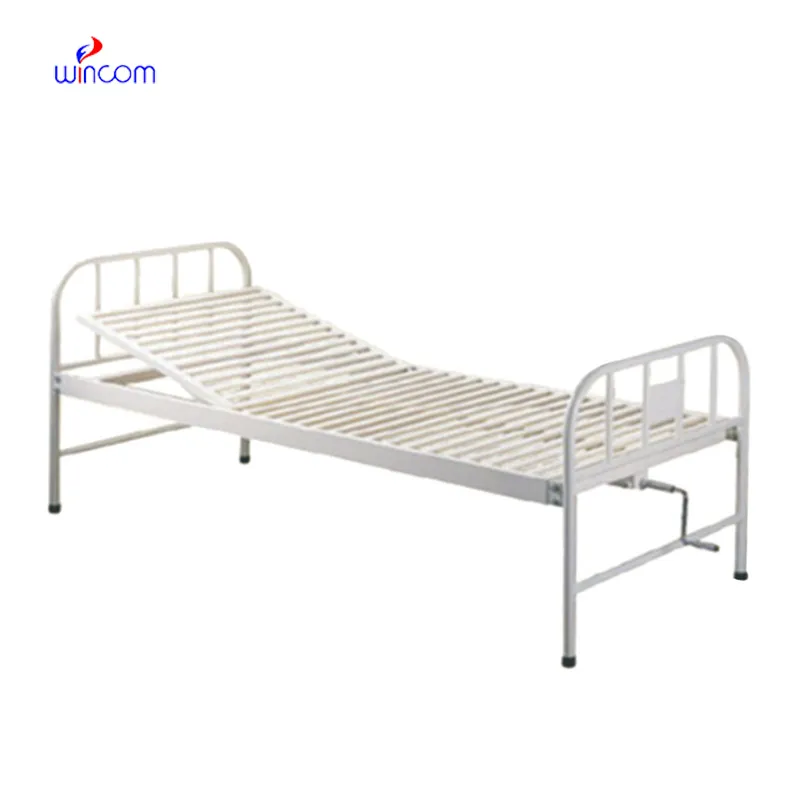
The hospital beds can be used in numerous applications, ranging from acute care to prolonged recovery. It allows for efficient position adaptability in medical procedures, physiotherapy, and healing of wounds. The hospital beds is especially convenient for older or immobilized patients, promoting proper posture and blood flow. It finds applications in operating recovery wards, maternity wards, and rehabilitation centers. The simplicity of changing the position makes the hospital beds a vital component of successful and comfortable medical care.
The future hospital beds will integrate robotics and AI to transform patient care. Beds will possess self-adjusting features that respond to patient movement, improving comfort and circulation. The hospital beds can also possess self-cleaning surfaces and antimicrobial materials for improved hygiene. With integration into digital hospital systems, it will provide real-time data analytics, enabling staff to predict and prevent complications. These features will enhance both efficiency and patient outcomes.

The hospital beds need constant care and maintenance for long-term proper performance and safety. Inspect frame stability, test electric motors, and tighten any loose parts under routine checkup. Clean the hospital beds with authorized disinfectants to prevent bacterial buildup. Lubrication of movable joints gives smooth motion, while regular brake testing and rail testing guarantees safety. Keeping the hospital beds in a dry location also prevents corrosion and electric failure.
An hospital beds is designed to promote patient welfare and healthcare efficiency. Its adjustable parts facilitate easy repositioning, eliminating discomfort and facilitating medical procedures. The hospital beds is constructed from resistant materials, such as side rails for safety and mobility wheels for relocation. Its electric or manual driving provisions make it convenient to use for caregivers and patients. Used extensively in care facilities and hospitals, the hospital beds allows for comprehensive management of patient health and clinical effectiveness.
Q: How can the lifespan of a hospital bed be extended? A: Regular cleaning, inspection, and lubrication of moving parts help maintain the bed’s performance and longevity. Q: How do hospital beds ensure patient safety? A: Built-in safety rails, stable frames, and locking wheels minimize risks of falls and unintended movements. Q: What features reduce the risk of bedsores? A: Pressure-relief mattresses and adjustable positioning reduce continuous pressure on the body. Q: Are hospital beds designed for specific departments? A: Yes, beds are customized for departments such as ICUs, surgical wards, and long-term care units. Q: How do hospitals optimize bed use? A: Scheduled maintenance, proper staff training, and monitoring improve efficiency and extend equipment lifespan.
The hospital bed is well-designed and very practical. Patients find it comfortable, and nurses appreciate how simple it is to operate.
The microscope delivers incredibly sharp images and precise focusing. It’s perfect for both professional lab work and educational use.
To protect the privacy of our buyers, only public service email domains like Gmail, Yahoo, and MSN will be displayed. Additionally, only a limited portion of the inquiry content will be shown.
Could you please provide more information about your microscope range? I’d like to know the magnif...
Could you share the specifications and price for your hospital bed models? We’re looking for adjus...
E-mail: [email protected]
Tel: +86-731-84176622
+86-731-84136655
Address: Rm.1507,Xinsancheng Plaza. No.58, Renmin Road(E),Changsha,Hunan,China


 EN
EN
 af
af
 es
es
 ar
ar
 tr
tr
 sw
sw
 pt
pt
 th
th
 ur
ur
 bn
bn
 ne
ne
 vi
vi
 km
km
 lo
lo
 de
de
 ru
ru
 fi
fi
 nl
nl
 fa
fa
 fr
fr
 ko
ko