
Blog
Eine einzige pH-Messung kann darüber entscheiden, ob eine Ernte ausfällt, eine kommerzielle Biercharge verworfen wird oder ein Fluss für die Tierwelt als unsicher eingestuft wird. Diese einfache Kennzahl stellt eine hochriskante Betriebsinfrastruktur dar. Die pH-Skala reicht von 0 bis 14 und misst die Wasserstoffionenkonzentration in einer Lösung. Dieses grundlegende chemische Konzept führt jedoch zu tiefgreifenden wirtschaftlichen und ökologischen Konsequenzen. Landwirtschaft, Brauwesen und Umweltwissenschaften sind drei unterschiedliche, aber gleichermaßen anspruchsvolle Bereiche. Diese Bereiche stimmen alle darin überein, dass eine genaue pH-Messung unbedingt erforderlich ist. Präzisions-pH-Meter sind keine optionalen Zubehörgeräte. Sie fungieren als kritische Betriebsinfrastruktur für jede wissenschaftsorientierte Industrie, die auf chemische Genauigkeit angewiesen ist. In diesem Artikel wird genau gezeigt, warum die pH-Messung in diesen drei Bereichen unverzichtbar ist. Außerdem erfahren Sie, wie die Auswahl des richtigen pH-Meters die Zuverlässigkeit aller nachgelagerten Ergebnisse beeinflusst. So wie der pH-Wert chemische Reaktionen in einem Labor bestimmt, bestimmt er auch den betrieblichen Erfolg in der realen Welt.
In der Landwirtschaft fungiert der pH-Wert des Bodens als grundlegende Variable zur Steuerung der Nährstofflöslichkeit und der Wurzelaufnahme, was bedeutet, dass ein Ungleichgewicht unabhängig vom Düngemitteleinsatz zu Nährstoffsperren und schlechten Erträgen führen kann. Landwirte nutzen tragbare Messgeräte für räumliche Feldtests in Echtzeit, während hochpräzise Tischmessgeräte für die offizielle Laborberichterstattung verwendet werden. Durch die Überwachung des pH-Werts des Bodens und des Bewässerungswassers wird der kostspielige übermäßige Einsatz von Bodenverbesserungsmitteln direkt reduziert. Darüber hinaus sind digitale pH-Messgeräte, die in Präzisionslandwirtschaftsplattformen integriert sind, heute unverzichtbar für die Modernisierung landwirtschaftlicher Betriebe, um strenge internationale Exportqualitätsstandards zu erfüllen.
Eine präzise pH-Messung ist in jeder Phase des Brauens und der Lebensmittelproduktion von entscheidender Bedeutung, um den Geschmack, die Sicherheit und die Einhaltung gesetzlicher Vorschriften des Produkts sicherzustellen. Eine strikte pH-Kontrolle während des Maischens und der Gärung bestimmt die Ausbeute an vergärbarem Zucker und signalisiert eine gesunde Hefeaktivität, während gleichzeitig eine bakterielle Kontamination verhindert wird. Globale Rahmenbedingungen für die Lebensmittelsicherheit, wie HACCP- und FDA-Vorschriften, schreiben eine strenge pH-Dokumentation und revisionssichere Aufzeichnungen vor, um katastrophale Chargenausfälle zu verhindern, die zu schweren finanziellen Verlusten führen. Diese Notwendigkeit erstreckt sich über Bier hinaus auf Milchprodukte wie Joghurt und Käse sowie auf handelsübliche gesäuerte Lebensmittel wie Essig und Kimchi.
Die Messung des pH-Werts in der Umwelt ist eine vorderste Verteidigungsmaßnahme zum Schutz empfindlicher Ökosysteme und der öffentlichen Gesundheit. Kontinuierliche Überwachung bewertet den Zustand der biologischen Vielfalt und verfolgt Bedrohungen wie die Versauerung der Ozeane, die Meereslebewesen und Korallenriffe schädigen. Im kommunalen Bereich ist eine genaue pH-Kontrolle für eine wirksame Chlordesinfektion des Trinkwassers und eine komplexe biologische Abwasserbehandlung unerlässlich. Darüber hinaus ist die Messung des pH-Werts des Bodens der entscheidende Ausgangspunkt für Umweltverträglichkeitsprüfungen, da saurer Boden die gefährliche Mobilität giftiger Schwermetalle in das kommunale Grundwasser erhöht.
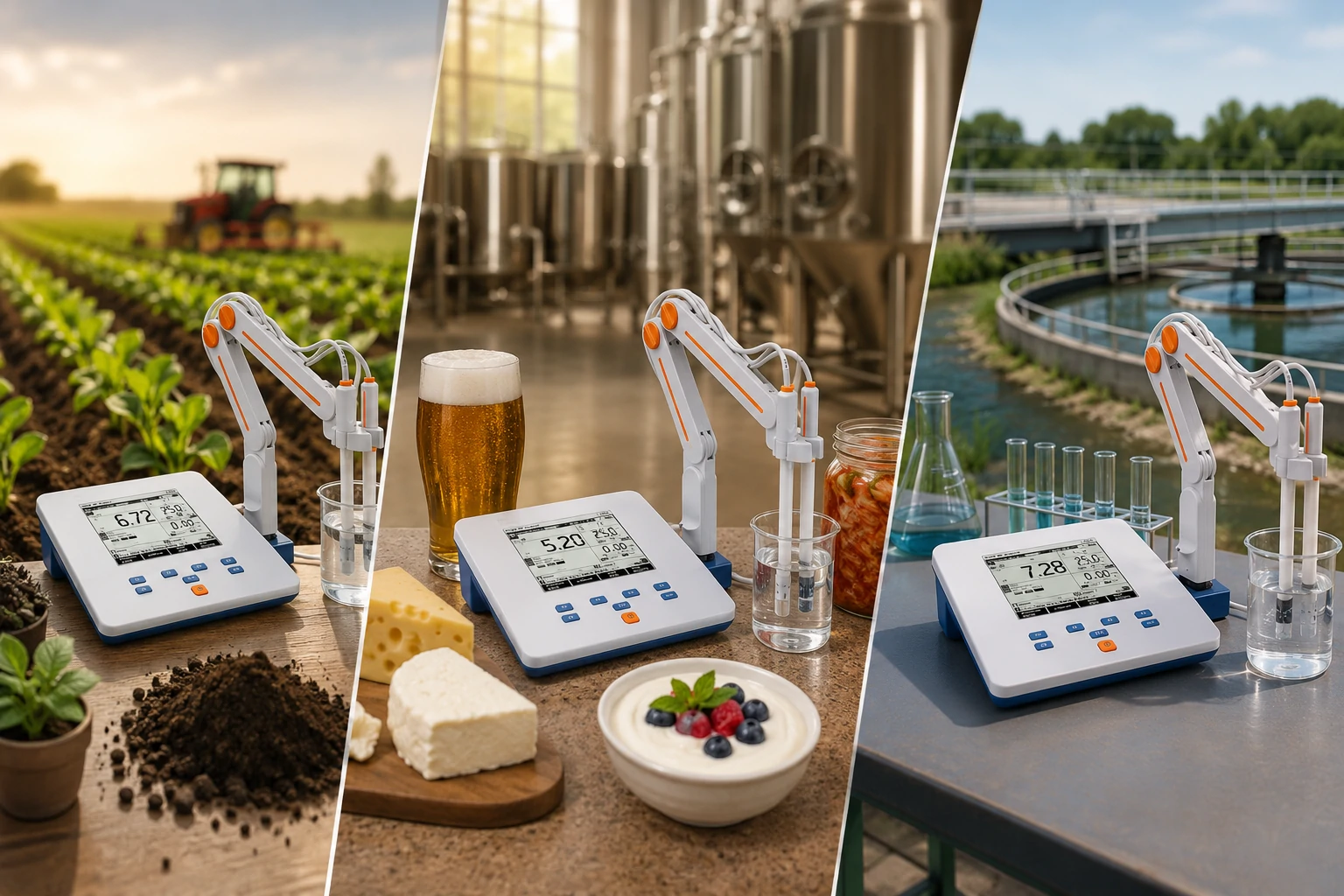
Die Auswahl des richtigen Instruments erfordert eine sorgfältige Bewertung der spezifischen Anwendungsanforderungen. Käufer müssen die Gerätefunktionen genau an ihre regulatorischen oder Produktionsprozessanforderungen anpassen.
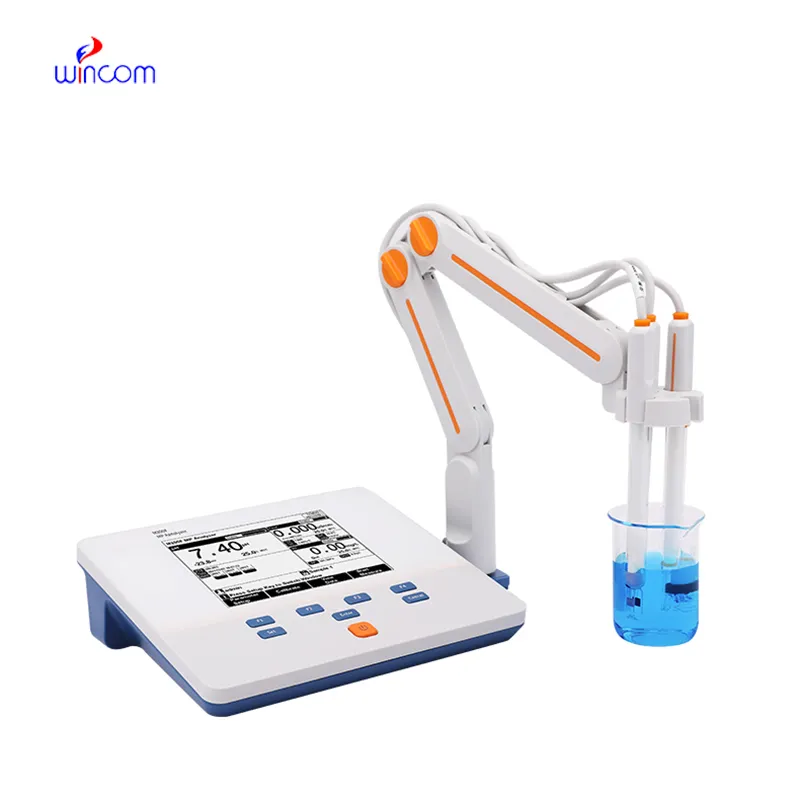
Die Disziplin der Bedienerkalibrierung ist wesentlich wichtiger als die grundlegende Hardwarespezifikation. Ein gut gewartetes Mittelklasse-Messgerät übertrifft durchweg ein schlecht kalibriertes Premium-Modell. Bediener müssen immer zuverlässige NIST-rückverfolgbare Pufferlösungen verwenden und eine Mehrpunktkalibrierung durchführen, die den erwarteten Probenbereich berücksichtigt. Darüber hinaus bleibt ein zuverlässiger After-Sales-Support ein entscheidender, aber oft unterbewerteter Faktor für internationale Käufer. Die Verfügbarkeit von Elektrodenwechseln, die Kontinuität der Pufferversorgung und die Reaktionsfähigkeit des technischen Supports bestimmen vollständig die langfristige Verwendbarkeit eines Instruments.
Fachleute, die eine äußerst zuverlässige Lösung suchen, sollten Folgendes in Betracht ziehen Wincom PH-706 . Dieses professionell konstruierte Tischmessgerät bietet eine pH-Auflösung von ±0,01, einen großen Messbereich von −2,00 bis 20,00 pH und integrierte Multiparameterfunktionen für ORP, Leitfähigkeit, spezifischen Widerstand und TDS – was es zu einer Ein-Instrument-Lösung macht, die die strengen Messanforderungen in Labor, Landwirtschaft und Umwelt effektiv erfüllt.
Entdecken Sie noch heute unser umfangreiches Sortiment an Präzisions-pH-Messgeräten für Labor und Industrie. Für ein individuelles Angebot und eine fachkundige technische Beratung können Sie sich direkt an das Wincom-Team wenden. Wincom bringt 30 Jahre engagierte Erfahrung im internationalen Handel mit. Wir sind stolz darauf, Exportmärkte in über 50 Ländern mit strengen ISO-konformen Fertigungsstandards und einer breiten Produktpalette zu bedienen. Sichern Sie sich noch heute Ihre Messgenauigkeit mit einem vertrauenswürdigen globalen Anbieter von pH-Messgeräten.
[Kontaktieren Sie uns jetzt für Ihr Angebot!]
Sie müssen den Gerätetyp direkt an Ihre spezifische Messumgebung und Ihr erforderliches Genauigkeitsniveau anpassen. Für Feldarbeiten, räumliche Feldkartierungen und Wassertests im Freien ist unbedingt ein tragbares pH-Messgerät erforderlich. Regulatorische Laborarbeiten, strenge Compliance-Berichte und vorbereitete Probenanalysen erfordern ein hochpräzises Tischmessgerät. Große professionelle Betriebe unterhalten in der Regel beide Typen, um alle möglichen Testszenarien abzudecken.
Bediener sollten das Messgerät zu Beginn jeder täglichen Sitzung für den routinemäßigen, allgemeinen Gebrauch kalibrieren. Für strikte Compliance und externe Audittests müssen Sie vor und nach jeder einzelnen Testreihe eine erneute Kalibrierung durchführen. Verwenden Sie immer hochwertige, NIST-rückverfolgbare Pufferlösungen. Stellen Sie sicher, dass die von Ihnen gewählten Kalibrierungspunkte den erwarteten Probenbereich effektiv abdecken.
Der pH-Wert des Bodens steuert die Nährstofflöslichkeit physikalisch durch einen komplexen chemischen Sperrmechanismus. Nährstoffe werden für Pflanzenwurzeln völlig unzugänglich, wenn der pH-Wert außerhalb des optimalen Bereichs fällt, unabhängig vom Vorhandensein von physikalischem Dünger. Landwirte sollten ihren Boden mindestens einmal pro Hauptwachstumsperiode testen. Betreiber sollten unmittelbar nach der Anwendung von größerem Kalk oder säurebildenden Zusatzstoffen häufigere Tests durchführen.
Das Hauptgehäuse des elektronischen Messgeräts kann sicherlich mehrere Funktionen erfüllen, wenn seine Grundgenauigkeit Ihren strengsten Anforderungen entspricht. Sie müssen jedoch für jede spezifische Probenmatrix eigene, separate Elektroden verwenden. Eine robuste Bodenelektrode sollte empfindliche Braumaische nicht testen. Diese strikte Trennung verhindert aktiv Kreuzkontaminationen und verlängert die Lebensdauer Ihrer Geräte deutlich.
Die Lebensmittelproduktion und die strenge HACCP-Konformität erfordern GLP-Datenprotokollierungsfunktionen und für den Kontakt mit Lebensmitteln zugelassene Elektroden. Umwelttests und die Einhaltung von ISO 17025 erfordern NIST-rückführbare Kalibrierungszertifikate und eine strikte Einhaltung der EPA-Methode 150.1. Internationale Käufer müssen aktiv bestätigen, dass der von ihnen gewählte Lieferant von pH-Messgeräten über spezifische Dokumentationsmöglichkeiten verfügt, die den Anforderungen der örtlichen Regulierungsbehörden entsprechen.
E-Mail: [email protected]
Tel.: +86-731-84176622
+86-731-84136655
Adresse: Rm.1507, Xinsancheng Plaza. Nr. 58, Renmin Road (E), Changsha, Hunan, China


 EN
EN
 af
af
 es
es
 ar
ar
 tr
tr
 sw
sw
 pt
pt
 th
th
 ur
ur
 bn
bn
 ne
ne
 vi
vi
 km
km
 lo
lo
 de
de
 ru
ru
 fi
fi
 nl
nl
 fa
fa
 fr
fr
 ko
ko



